Diagnostic Testing

Electrocardiography (ECG)

Electrocardiography (ECG) is an interpretation of the electrical…

Echocardiogram

An echocardiogram, or simply an “echo”, is a sonogram of the heart.

Stress Echo

A Stress Echocardiogram utilizes ultrasound imaging of the heart to…

Exercise Stress Test

Cardiac stress testing is used to measure the heart’s ability to…

Holter Monitoring

A Holter Monitoring is a portable device for continuously…

Ambulatory BP Monitor

Ambulatory blood pressure monitoring (ABPM) measures…

Loop Recorders

Event monitors are small, portable medical devices that record the…

Pacemaker Check

A Pacemaker check is performed at regularly intervals (6-12 months)…

Electrocardiography (ECG)

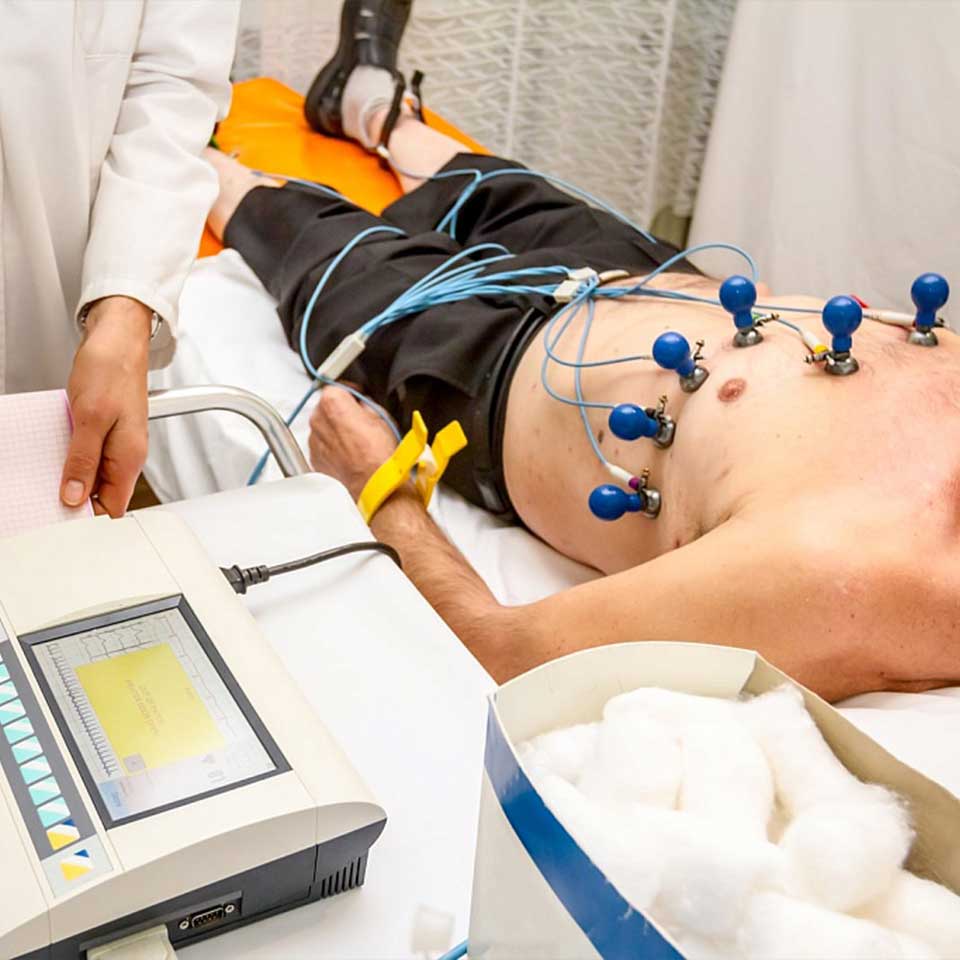
Electrocardiography (ECG) is an interpretation of the electrical activity of the heart as detected by electrodes attached to the chest and recorded by a device external to the body. The recording produced by this non-invasive procedure is termed as electrocardiogram (also ECG). ECG is used to measure the rate and regularity of heartbeats, as well as the size and position of the chambers, the presence of any damage to the heart, and the effects of drugs or devices used to regulate the heart, such as a pacemaker. The test time is approximately 10 minutes. An ECG is taken for every patient prior to consultation. Comfortable clothing (removable from waist up) is recommended.

Echocardiogram

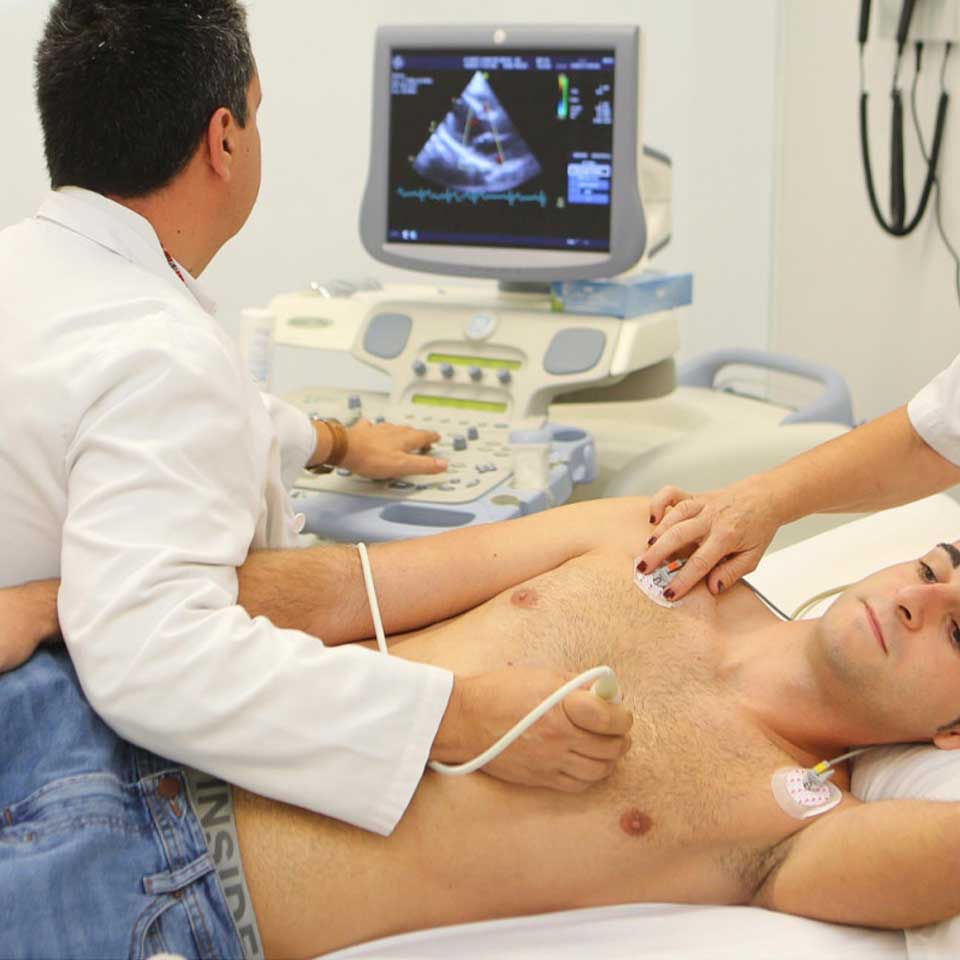
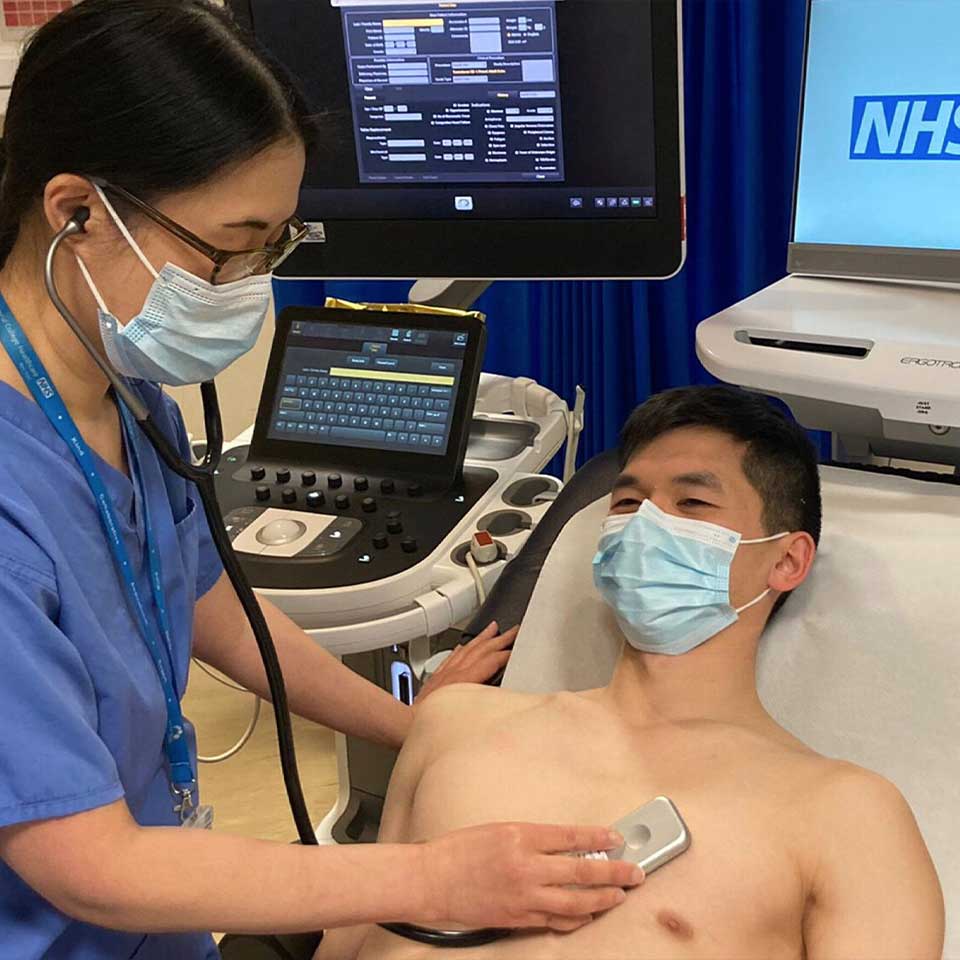
An echocardiogram, or simply an “echo”, is a sonogram of the heart. Echocardiography is a procedure that uses high frequency sound waves (ultrasound) to take moving pictures of the heart. It is a painless procedure, which can provide a wealth of helpful information, including the size and shape of the heart (internal chamber size quantification), pumping capacity, and the location and extent of any tissue damage. The patient is asked to remove their clothing from waist up and lie on an examination table. A gown is provided for comfort. Electrodes and gel are placed on the chest and then the transducer is applied with some pressure. The test usually takes 30-40 minutes.

Stress Echo

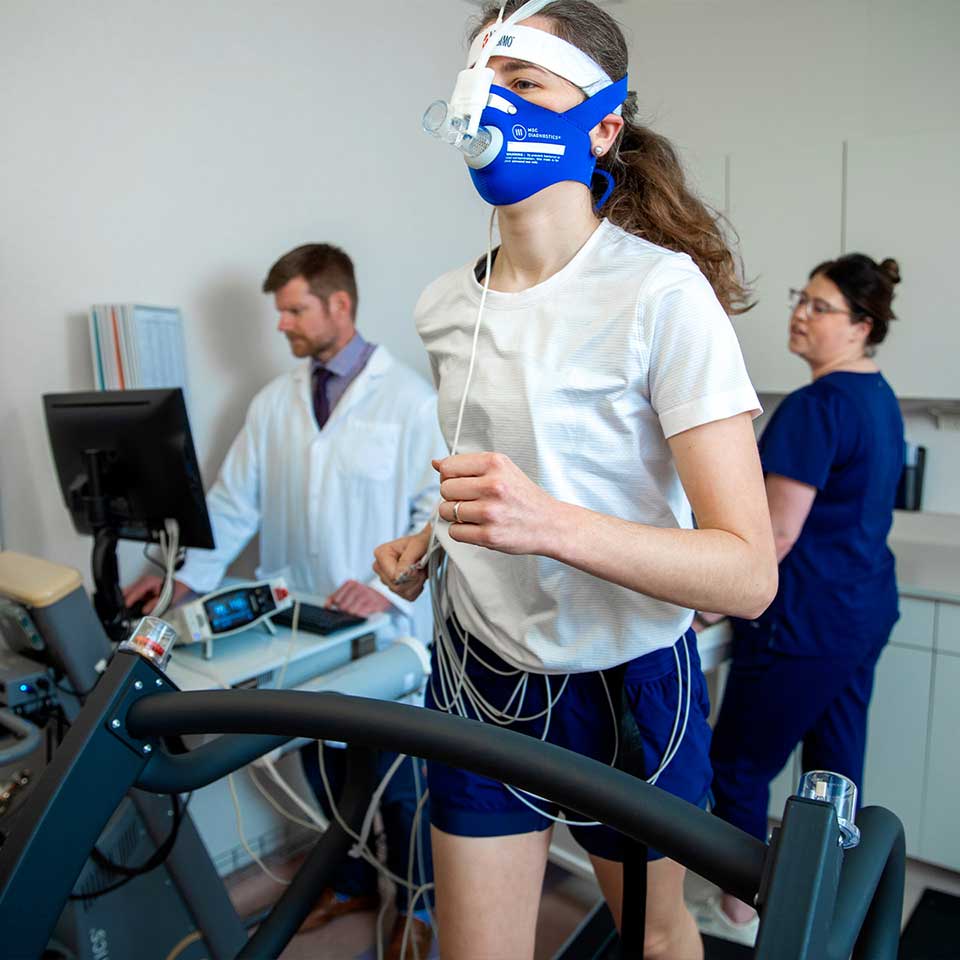
A Stress Echocardiogram utilizes ultrasound imaging of the heart to assess the wall motion in response to physical stress. It is essentially a Stress Test combined with Echocardiography so that structural differences can be compared. First, images of the heart are taken “at rest” to acquire a baseline of the patient’s wall motion at a resting heart rate. The patient then walks on a treadmill to increase the heart rate. Finally, images of the heart are taken “at stress” to assess wall motion at the peak heart rate. Comfortable clothing (removable from waist up) and comfortable shoes are recommended. The test usually takes 30-45 minutes. Certain medications must be stopped a day or two in advance of this test, your Cardiologist will inform you, if necessary.

Exercise Stress Test

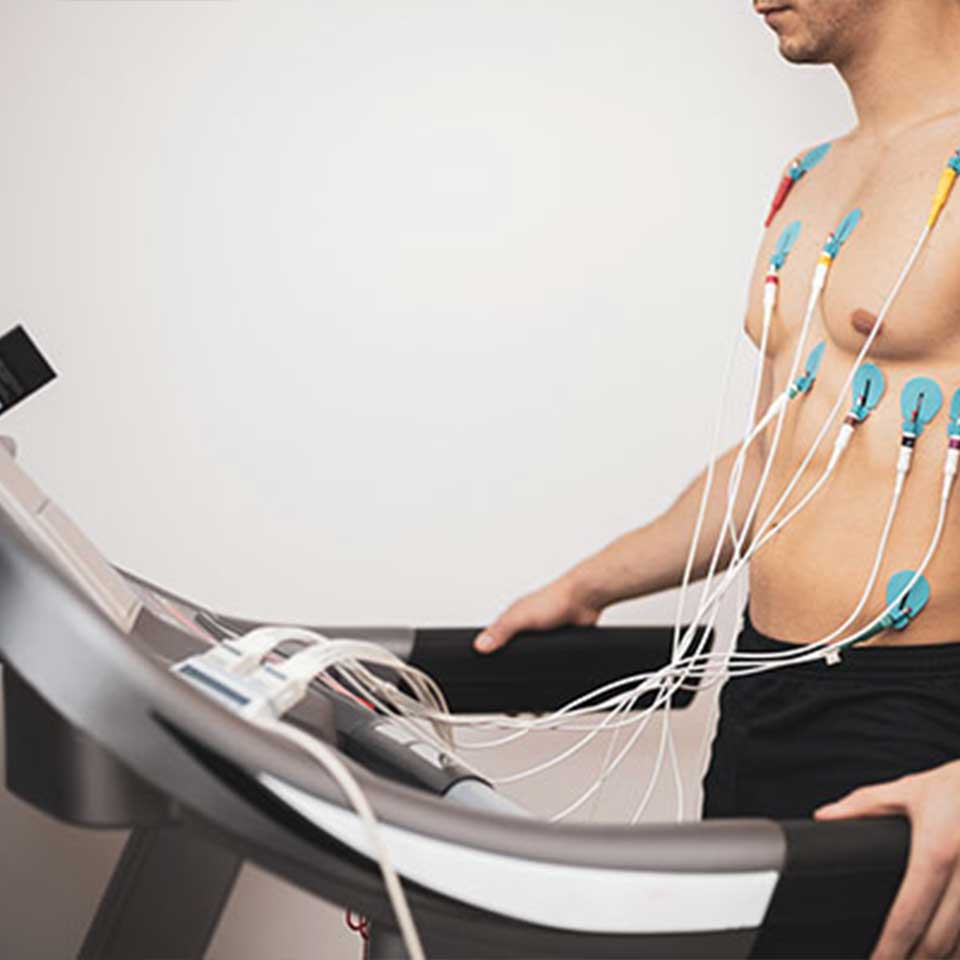
Cardiac stress testing is used to measure the heart’s ability to respond to external stress in a controlled clinical environment. Cardiac stress tests compare the coronary circulation while the patient is at rest with the same patient’s circulation observed during maximum physical exertion, by exercise on a treadmill, showing any abnormal blood flow to the heart’s muscle tissue. The level of mechanical stress is progressively increased by adjusting the difficulty (steepness of the slope) and speed. The test administrator examines the symptoms and blood pressure response with use of ECG (Electrocardiogram). Comfortable clothing (removable from waist up) and comfortable shoes are recommended. The test usually takes 20-30 minutes.

Holter Monitoring

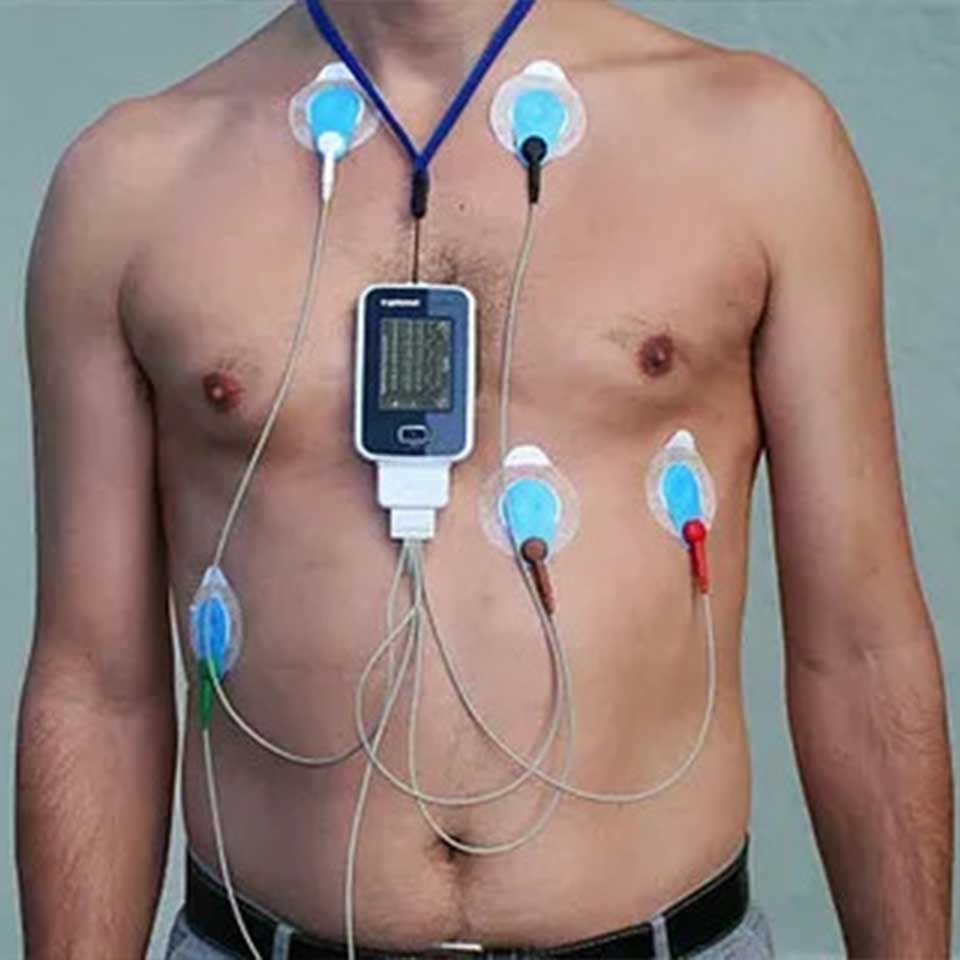
A Holter monitor is a portable device for continuously monitoring various electrical activity of the cardiovascular system for at least 24 hours. Its extended recording period is useful for observing occasional cardiac arrhythmias, which would be difficult to identify in a shorter period of time with an ECG. It takes approximately 10 minutes to attach the monitor. Please note that you cannot take a shower or bath during these 24 hours. Loose clothing is recommended.

Ambulatory BP Monitor

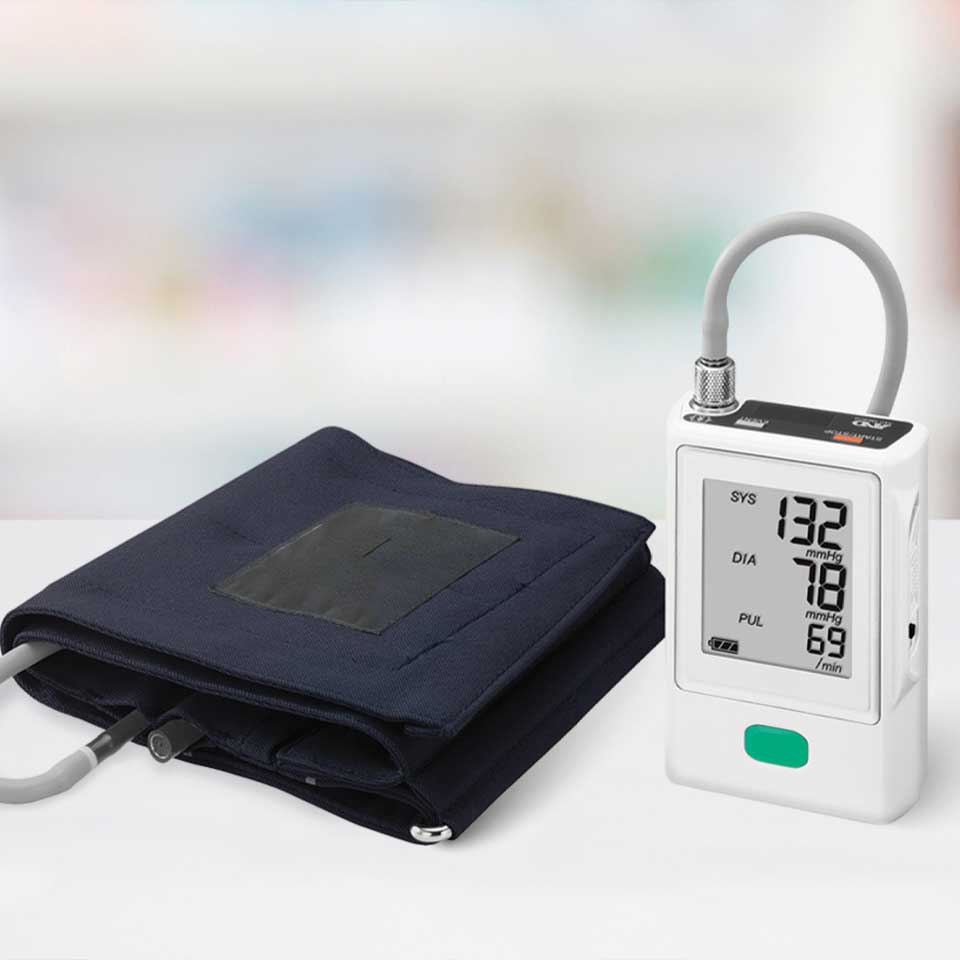
Ambulatory blood pressure monitoring (ABPM) measures blood pressure at regular intervals over 24 hours. It is believed to be able to reduce the “white coat hypertension” effect in which a patient’s blood pressure is elevated during the examination process due to nervousness and anxiety caused by being in a clinical setting. 24-hour, non-invasive ambulatory blood pressure monitoring allows estimates of cardiac risk factors including excessive blood pressure variability known to increase risks of a cardiovascular event. Loose clothing is recommended. It takes approximately 10 minutes to attach the monitor.

Loop Recorders

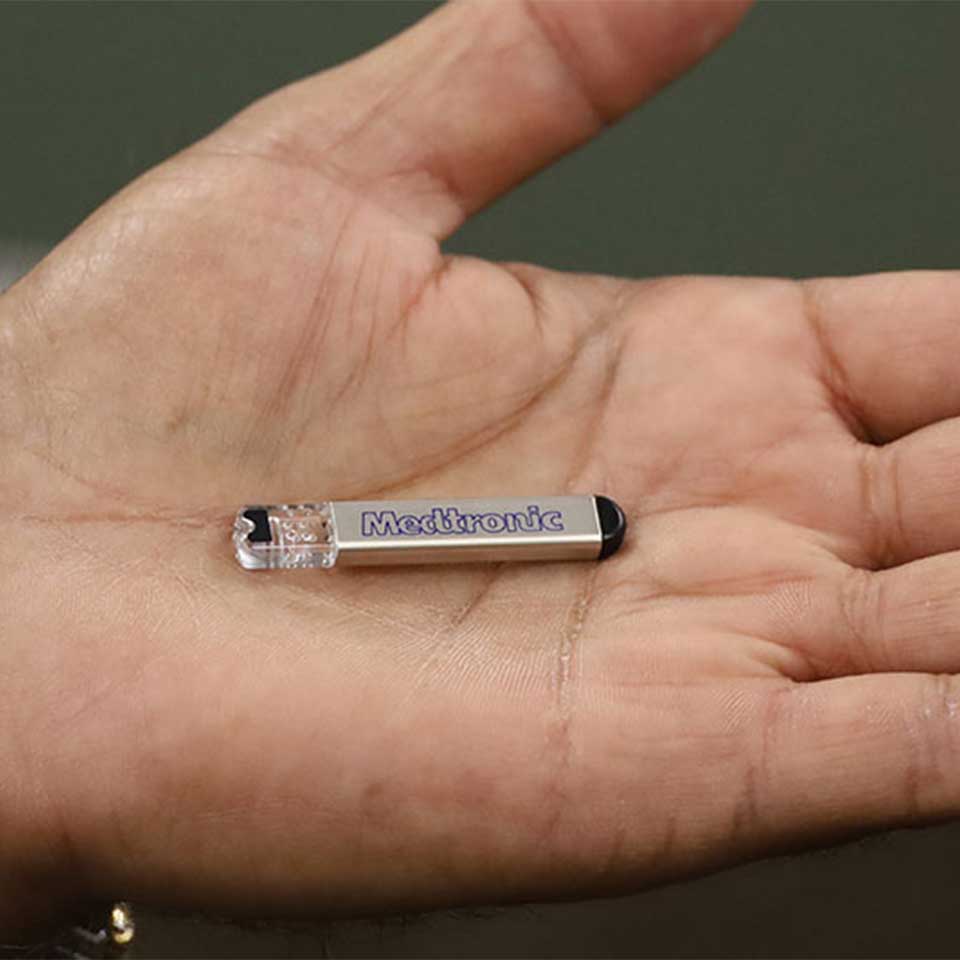
Event monitors are small, portable medical devices that record the heart’s electrical activity, most often used to diagnose arrhythmias. Arrhythmias are problems with the rate or rhythm of the heartbeat. Event monitors are similar to an ECG (electrocardiogram). You can wear one while you do your normal daily activities. This allows the monitor to record your heart for a longer time than an ECG. Although similar, Holter and event monitors aren’t the same. A Holter monitor records your heart’s electrical activity the entire time you’re wearing it. An event monitor records your heart’s electrical activity only at certain times while you’re wearing it.

Pacemaker Check

A Pacemaker check is performed at regularly intervals (6-12 months) on patients with pacemakers to ensure proper lead function & battery status or whenever a patient has symptoms related to the pacemaker. The test time is approximately 10 minutes. No preparation necessary.

Find the Right Diagnostic Testing for Your Heart

Advanced cardiac diagnostic testing and personalized assessments designed to evaluate your heart health, detect conditions early, and support informed treatment decisions.

Make Appointment

Schedule your appointment today to receive expert cardiology consultation, advanced diagnostic services, and personalized heart care from experienced specialists dedicated to your long-term cardiovascular health and well-being.

Hurstville

Wetherill Park

Wentworthville