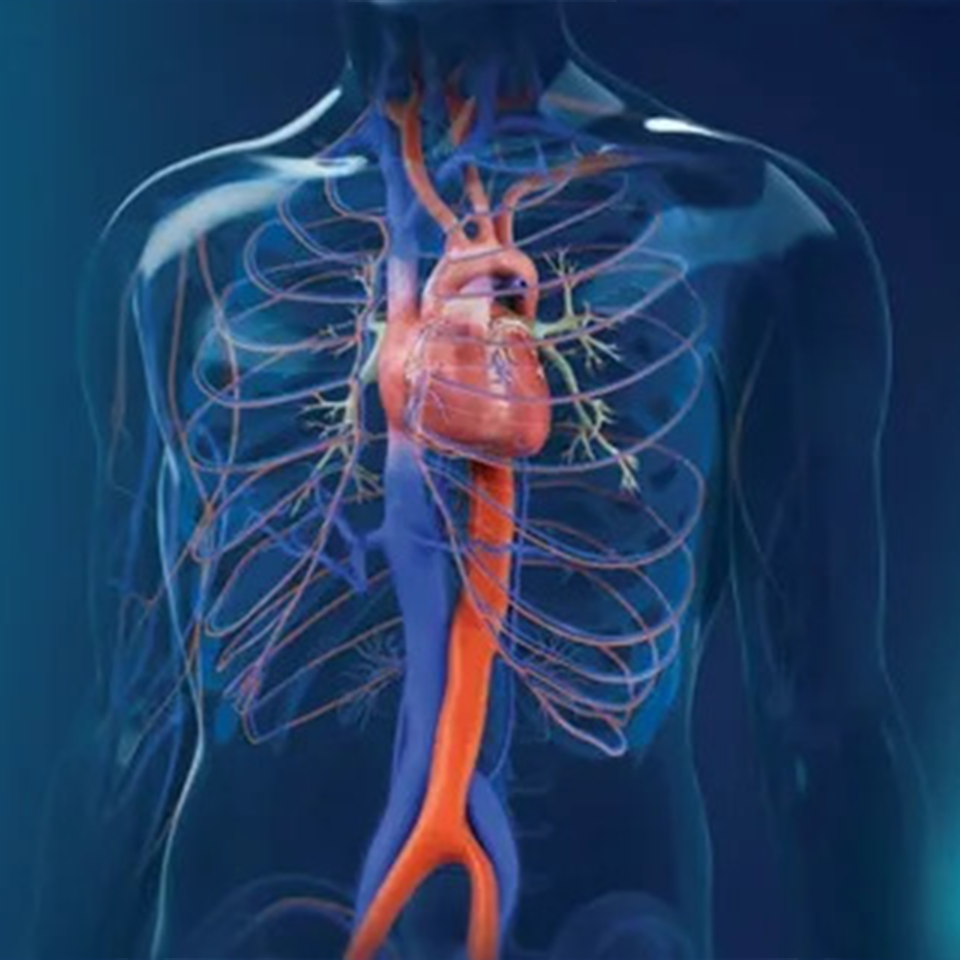
Coronary angiography is a specialised X-ray test to find out detailed information about coronary (heart) arteries.
Blocked or narrowed coronary arteries can significantly reduce blood flow to the heart and increase the risk of serious…
A pacemaker is a small, battery-powered medical device designed to help regulate and maintain a healthy heart rhythm.
Protection from dangerous heart rhythm disturbances is essential for patients at risk of sudden cardiac events.
Persistent or recurring heart rhythm disorders can interfere with daily activities and impact long-term heart health.
Cardioversion is a medical procedure by which an abnormally fast heart rate or cardiac arrhythmia is converted…
Unexplained symptoms such as fainting, dizziness, palpitations, or irregular heartbeats can sometimes be difficult to…
Coronary angiography is a specialised X-ray test to find out detailed information about coronary (heart) arteries. It is mainly used if a patient has angina to assess the extent and severity of the angina. It involves a procedure called catheterisation. A coronary catheterisation is a minimally invasive procedure to access the coronary circulation and blood filled chambers of the heart using a catheter. Therefore, coronary angiography can show the exact site and severity of any narrowing of the coronary arteries. This helps the doctor to decide on what treatment you may need. Please contact the hospital regarding preparation requirements.
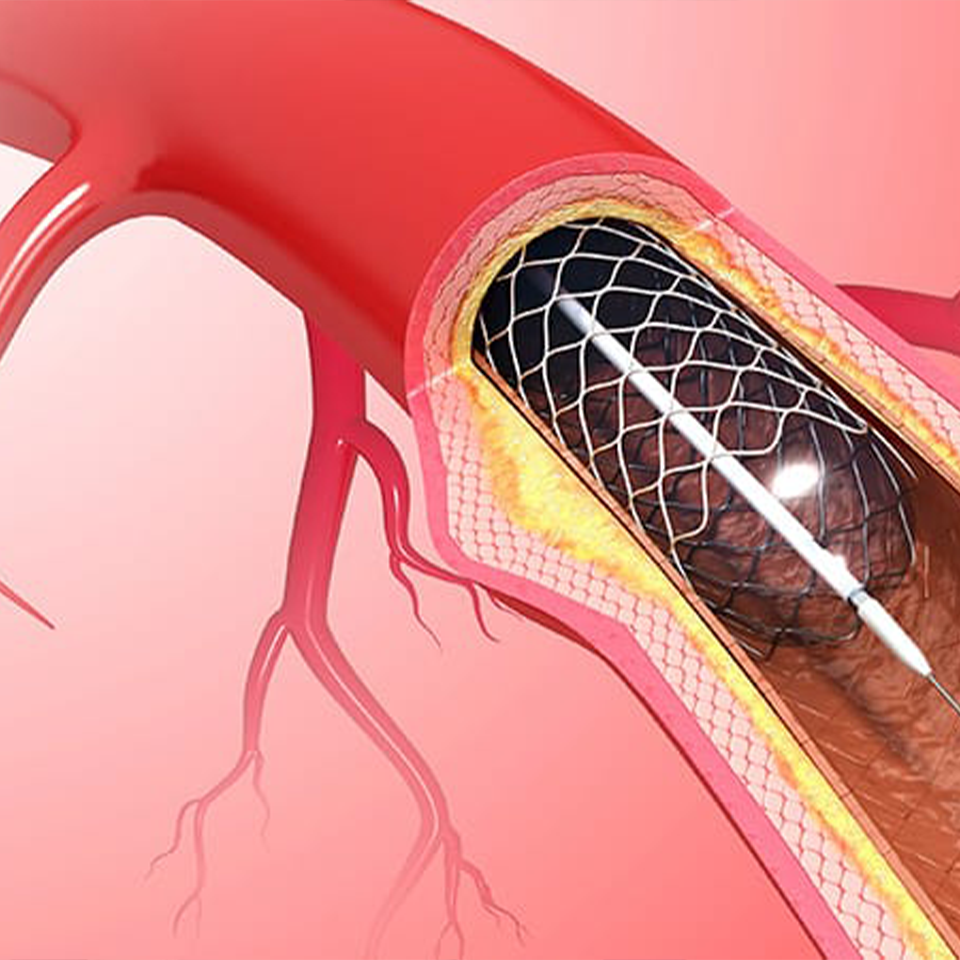
Blocked or narrowed coronary arteries can significantly reduce blood flow to the heart and increase the risk of serious cardiovascular complications. Coronary stenting is an advanced minimally invasive procedure designed to restore proper circulation and improve heart function. During treatment, a small mesh tube known as a stent is placed within the affected artery to keep it open and support healthy blood flow. Our experienced cardiac specialists utilize advanced imaging technology and proven techniques to deliver precise treatment and optimal outcomes. Through expert care and ongoing follow-up, we help patients regain confidence and maintain better cardiovascular health.
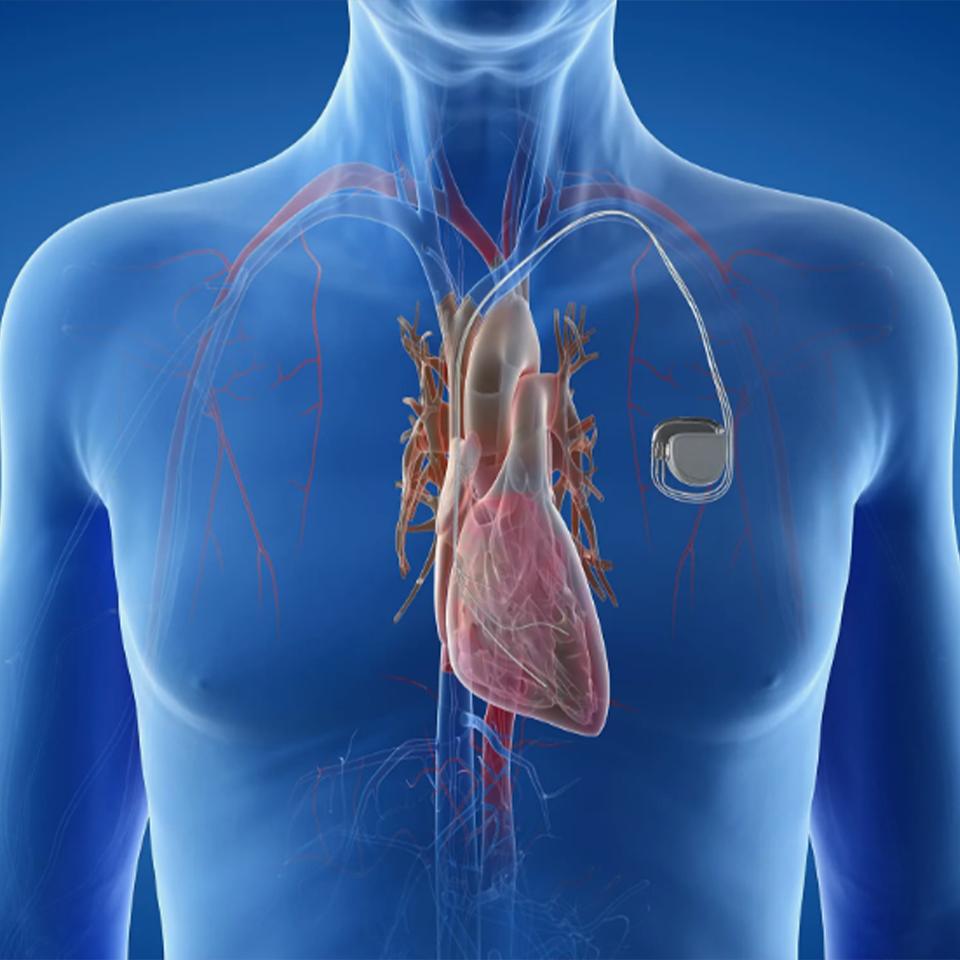
A pacemaker is a small, battery-powered medical device designed to help regulate and maintain a healthy heart rhythm. It works by sending gentle electrical impulses through specially placed leads that connect directly to the heart muscle. These impulses help ensure that the heart beats at an appropriate rate and rhythm when the heart’s natural electrical system is not functioning properly.
Pacemakers are commonly recommended for patients with slow heart rates (bradycardia), heart block, or other rhythm disorders that can cause symptoms such as fatigue, dizziness, fainting, shortness of breath, or reduced physical activity. By restoring a more consistent heartbeat, a pacemaker can improve blood circulation, reduce symptoms, and enhance overall quality of life.
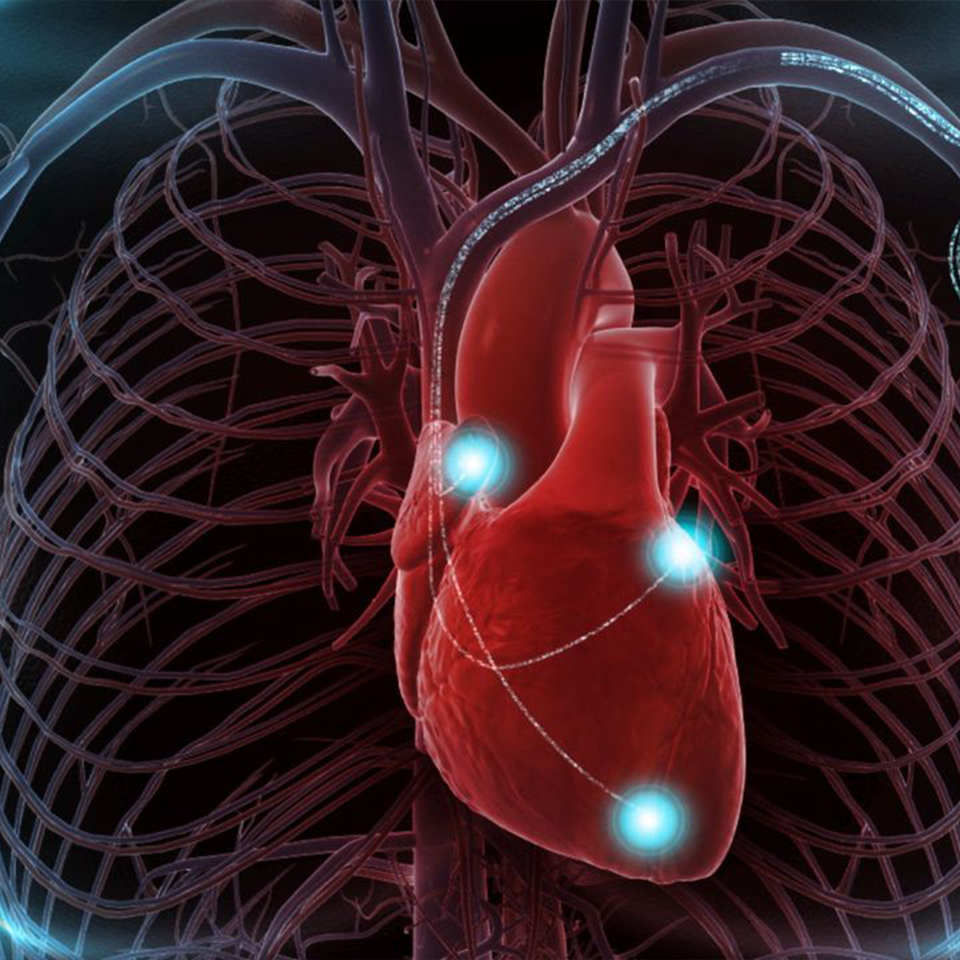
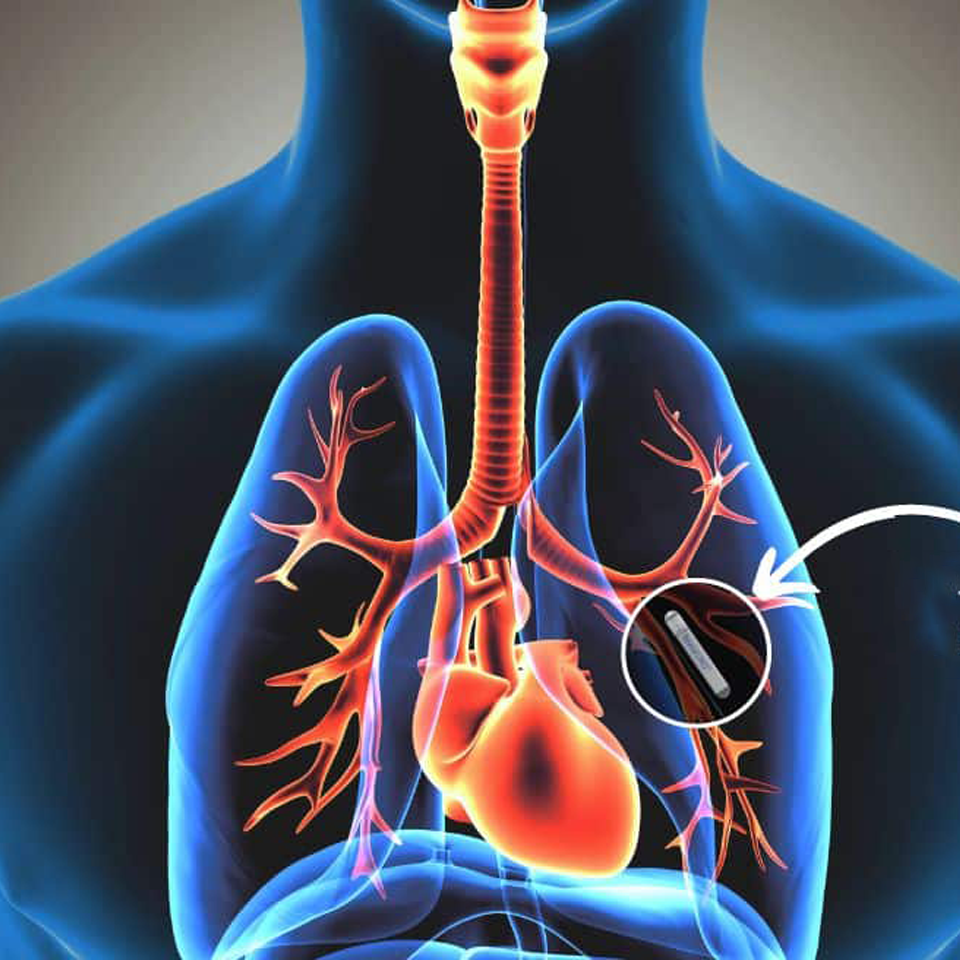
Protection from dangerous heart rhythm disturbances is essential for patients at risk of sudden cardiac events. Implantable Cardioverter Defibrillators (ICDs) are sophisticated devices that continuously monitor the heart and respond when potentially life-threatening arrhythmias occur. These devices can deliver electrical therapy to restore a normal rhythm and help prevent cardiac arrest. Our specialists provide comprehensive evaluations, expert implantation procedures, and personalized long-term management for every patient. By combining advanced technology with ongoing monitoring and support, we help individuals achieve greater peace of mind, enhanced safety, and improved cardiovascular well-being.
Persistent or recurring heart rhythm disorders can interfere with daily activities and impact long-term heart health. Ablation is a specialized procedure that targets the areas of heart tissue responsible for abnormal electrical signals. Using advanced catheter-based technology, our electrophysiology team carefully identifies and treats these areas to help restore a more stable heart rhythm. This treatment is often recommended for conditions such as atrial fibrillation and other rhythm disturbances that do not respond well to medication alone. Through expert evaluation, precise treatment, and comprehensive follow-up care, we help patients reduce symptoms and improve their overall quality of life.
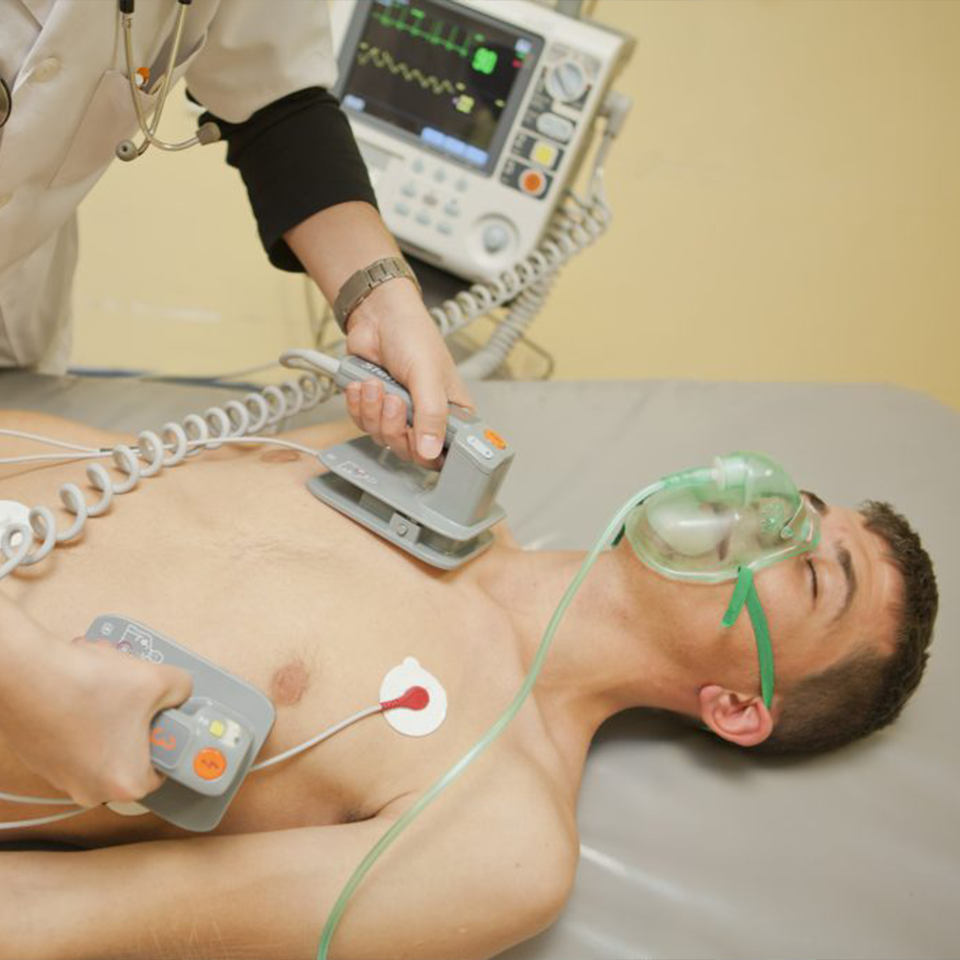
Cardioversion is a medical procedure by which an abnormally fast heart rate (tachycardia) or cardiac arrhythmia is converted to a normal rhythm, using electricity or drugs. Synchronized electrical cardioversion uses a therapeutic dose of electric current to the heart, at a specific moment in the cardiac cycle. The patient is given a short-acting general anaesthetic or heavy sedation for the duration of the procedure. A doctor puts electrodes, stuck to large sticky pads, on the chest. The electrodes are connected to a defibrillator machine and give one or more controlled electric shocks to the chest wall. The whole procedure usually lasts about 10 minutes. Please contact the hospital regarding preparation requirements.
Unexplained symptoms such as fainting, dizziness, palpitations, or irregular heartbeats can sometimes be difficult to diagnose through standard testing alone. Loop recorders provide continuous long-term monitoring of the heart’s electrical activity, helping physicians detect rhythm abnormalities that may occur infrequently. These small implantable devices are inserted through a simple procedure and can collect valuable information over months or even years. Our cardiac specialists use the data gathered by loop recorders to make accurate diagnoses and develop effective treatment plans. This advanced monitoring technology plays an important role in supporting better long-term cardiovascular care.
Schedule your appointment today to receive expert cardiology consultation, advanced diagnostic services, and personalized heart care from experienced specialists dedicated to your long-term cardiovascular health and well-being.